PSORIASIS
4 MIN READ
Psoriasis Sufferers Who Don't Flare Every Winter Do These 5 Things Differently

What the gut-skin research says about breaking the seasonal flare cycle — before it starts.



1
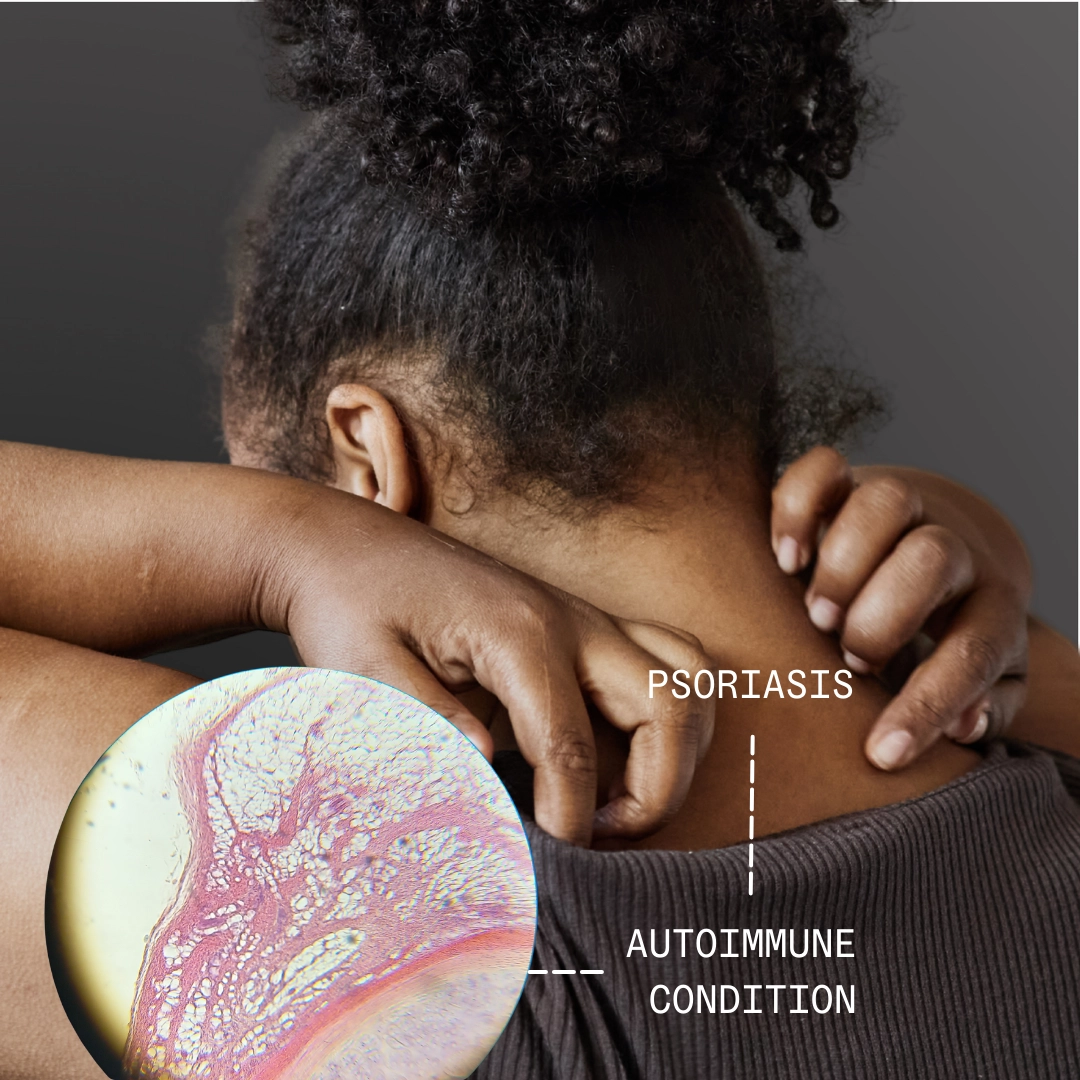
They rebuild their vitamin D before the sun disappears
Research consistently associates lower Vitamin D levels with more severe psoriasis. Vitamin D plays a direct role in regulating the immune cells central to psoriatic inflammation. When sunlight fades and levels drop, your immune system loses one of its key regulators.
2
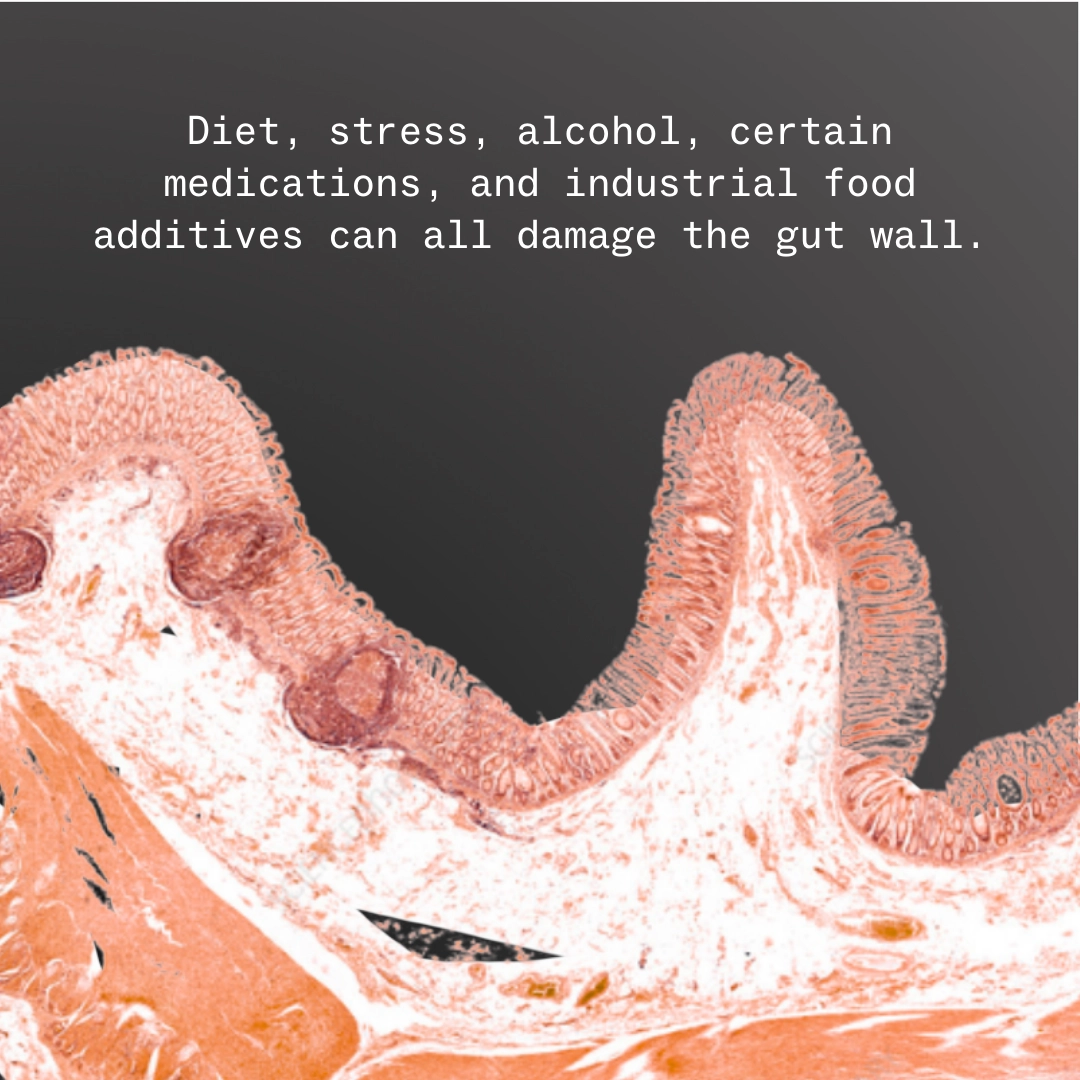
They repair their gut lining before winter stresses it
Your gut lining is one cell thick. Cold weather, seasonal diet shifts, and elevated cortisol all increase intestinal permeability. A leaking gut lining floods your bloodstream with inflammatory molecules.
Your immune system fires. Your skin flares.
The gut lining doesn't repair overnight. Start now. By winter, you want a fortified gut — not one you're rebuilding mid-flare.
Your immune system fires. Your skin flares.
The gut lining doesn't repair overnight. Start now. By winter, you want a fortified gut — not one you're rebuilding mid-flare.
3
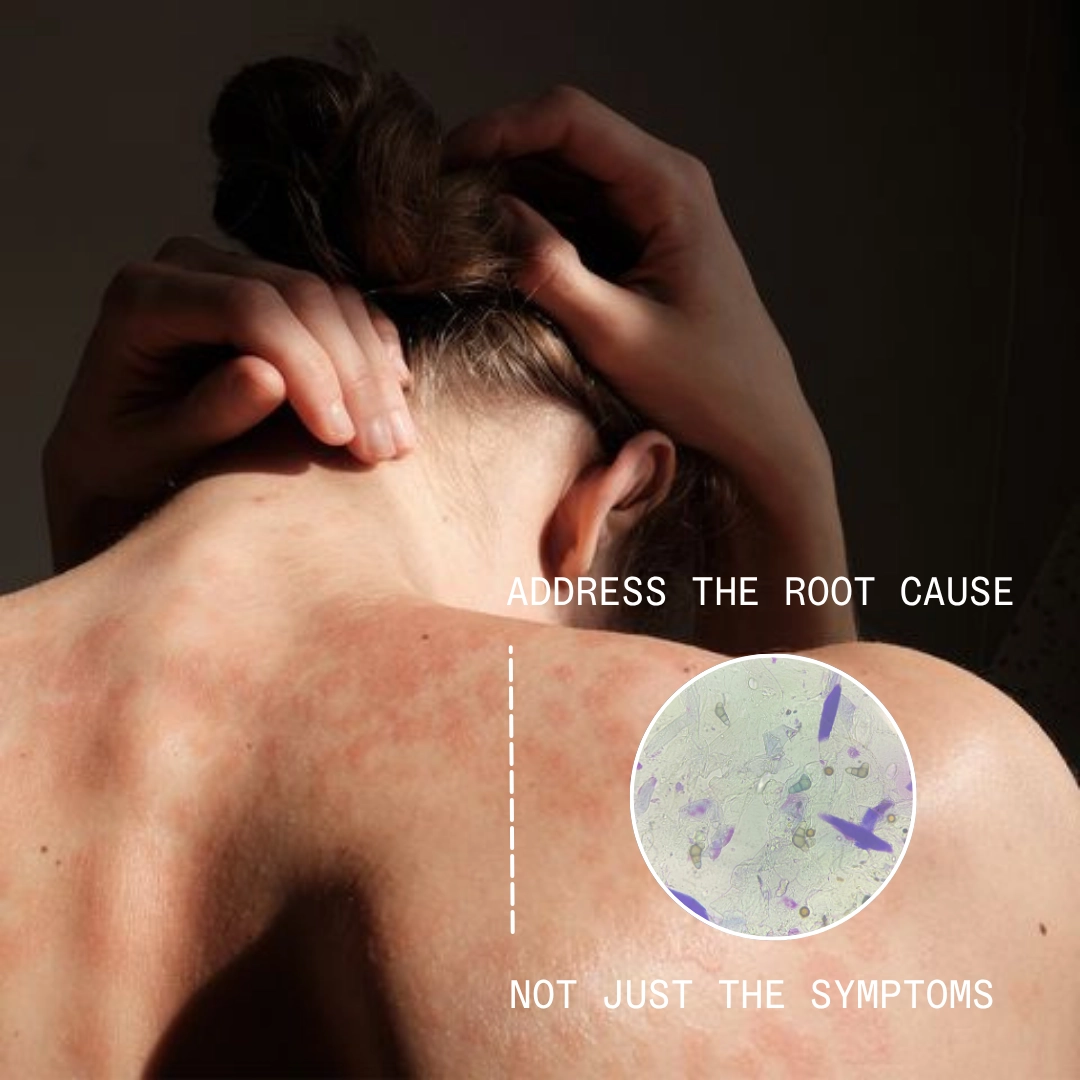
They remove they daily triggers keeping their immune system in overdrive
Seed oils — canola, sunflower, soybean. Chemically extracted at high heat, these oils are oxidised before they reach your plate. Rancid fats generate free radicals in the body that directly trigger inflammatory pathways. If your immune system is already in overdrive, this makes it worse.
Household chemicals — antibacterial soaps, synthetic fragrances, harsh cleaners. They don't discriminate. They destroy the gut microbiome diversity that keeps your immune system in check.
Chronic stress — cortisol directly increases intestinal permeability. More stress. More leaky gut. More flares. It's not psychological — it's physiological.
Household chemicals — antibacterial soaps, synthetic fragrances, harsh cleaners. They don't discriminate. They destroy the gut microbiome diversity that keeps your immune system in check.
Chronic stress — cortisol directly increases intestinal permeability. More stress. More leaky gut. More flares. It's not psychological — it's physiological.
4
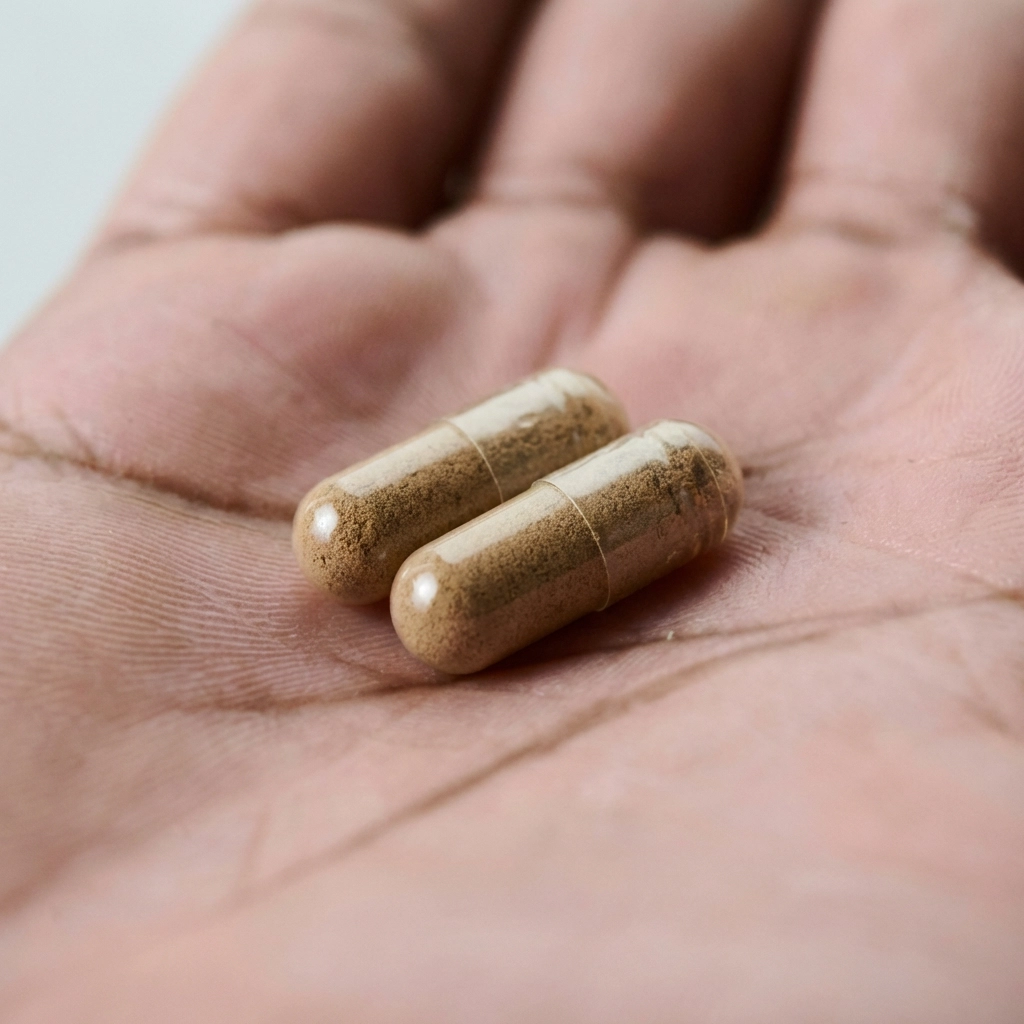
They replenish this vital mineral their immune system burns through
Zinc regulates T-cell activity — the immune cells central to psoriatic inflammation. It supports skin cell turnover. And it's essential for maintaining gut lining integrity.
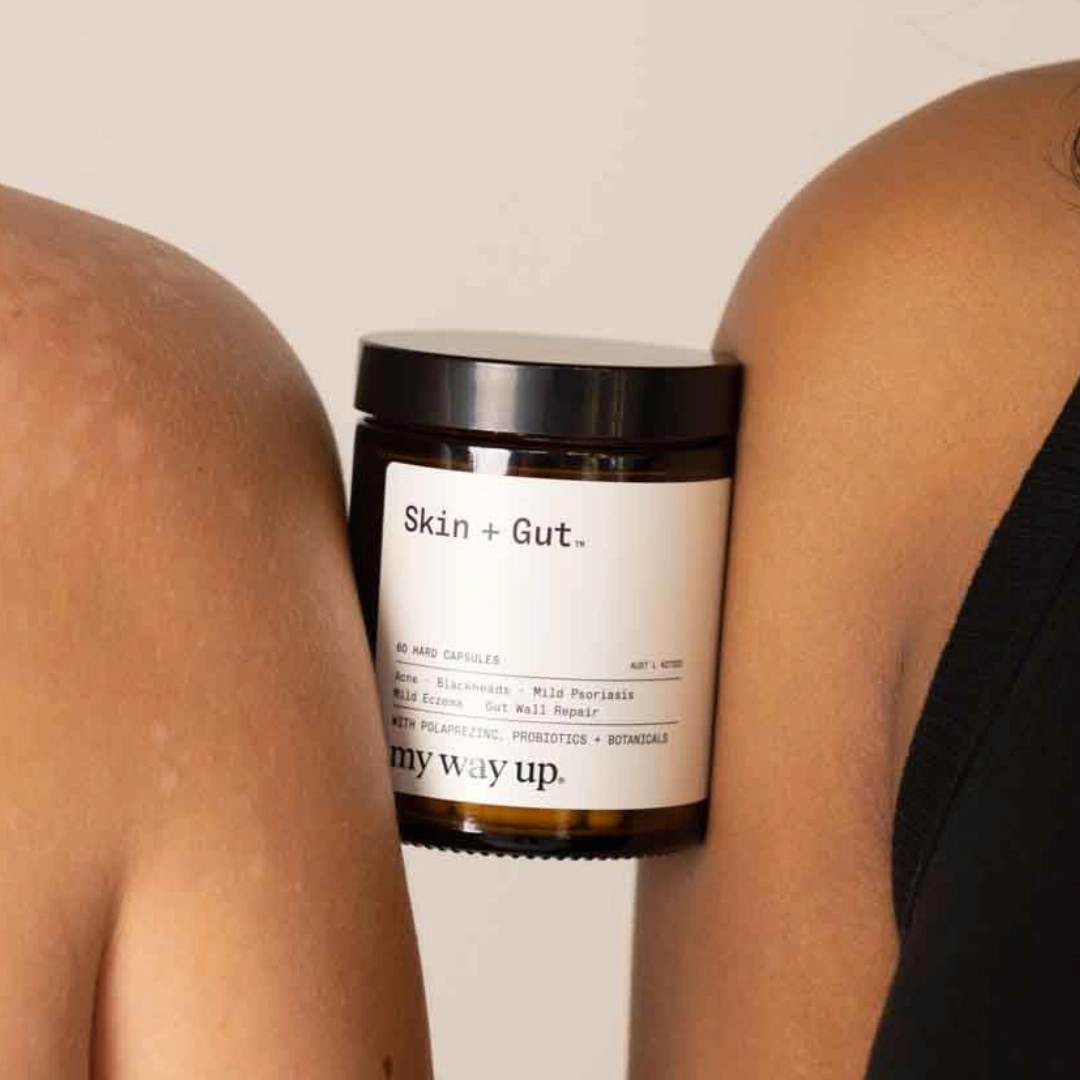
Research consistently shows low zinc levels in psoriasis sufferers. Zinc Carnosine — specifically in the clinically studied polaprezinc form — takes this further. It's a bonded compound of zinc and carnosine that research suggests supports gut barrier integrity more effectively than standard zinc alone.
Research consistently shows low zinc levels in psoriasis sufferers. Zinc Carnosine — specifically in the clinically studied polaprezinc form — takes this further. It's a bonded compound of zinc and carnosine that research suggests supports gut barrier integrity more effectively than standard zinc alone.
5
They treat gut health as an ongoing protocol — not a crisis response
The biggest mistake psoriasis sufferers make isn't what they do during a flare. It's stopping everything once the flare settles.
Gut health isn't a switch you flip when things get bad. It's an environment you maintain consistently — because the triggers that break it down are consistent.
The people who break the flare cycle aren't doing anything dramatic. They're doing the right things repeatedly — supporting the gut lining, replenishing depleted nutrients, removing daily triggers — until their immune system has the stable environment it needs to stop overreacting.
Gut health isn't a switch you flip when things get bad. It's an environment you maintain consistently — because the triggers that break it down are consistent.
The people who break the flare cycle aren't doing anything dramatic. They're doing the right things repeatedly — supporting the gut lining, replenishing depleted nutrients, removing daily triggers — until their immune system has the stable environment it needs to stop overreacting.

"I can't believe the difference - Skin + Gut™ works!"
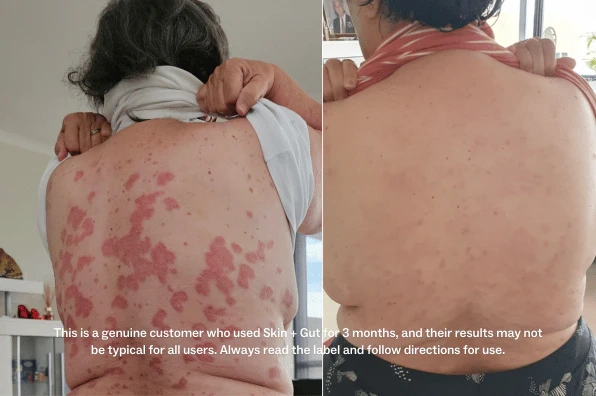
Finally Calm Skin
I've tried everything for my itchy skin but this is different. It actually worked when nothing else could.
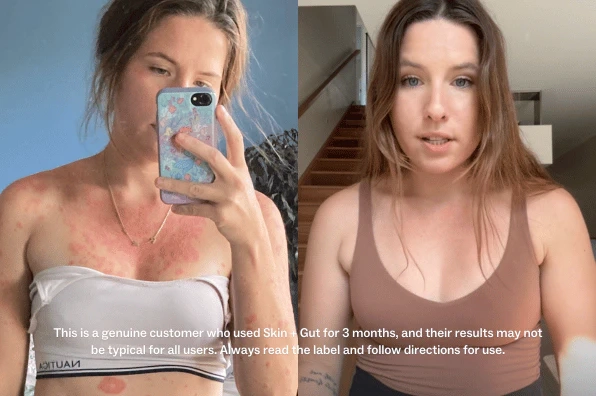
Lasting Relief
Usually products just mask the itch but this actually helps the problem. It is worth every single dollar to feel normal.
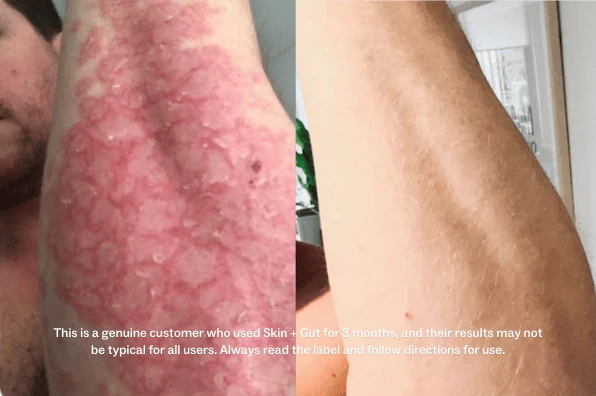
Bye Bye Redness
My flare ups used to be so painful. Now my skin is smooth and the redness is gone. Best feeling Ever.
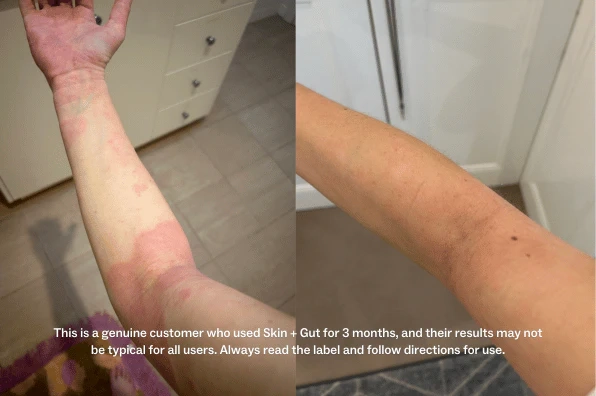
Confident In T-Shirts
I finally stopped hiding under long sleeves in the heat. My skin looks healthy and I'm not constantly scratching like before.
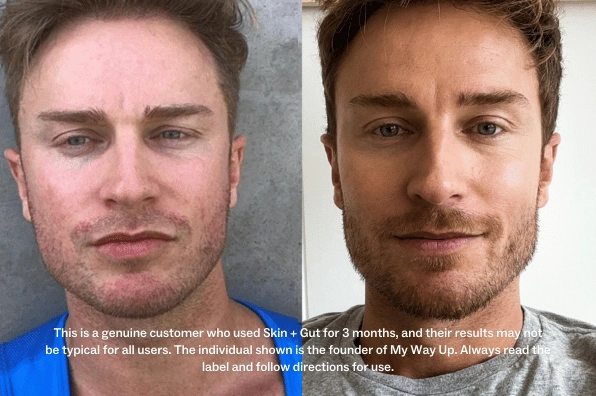
No More Flakes
The flakes on my scalp were everywhere. Within 1 month it just... stopped. I can wear dark clothes again without worrying!
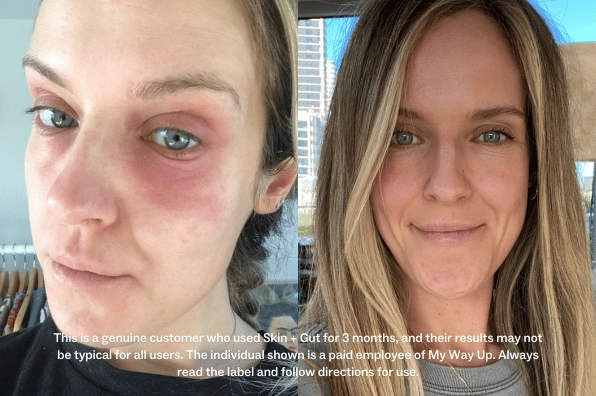
Fast Soothing Action
Only took only a few weeks for the burning to go down. I'm shocked how fast this worked for my me. So Happy.
How Psoriasis often starts
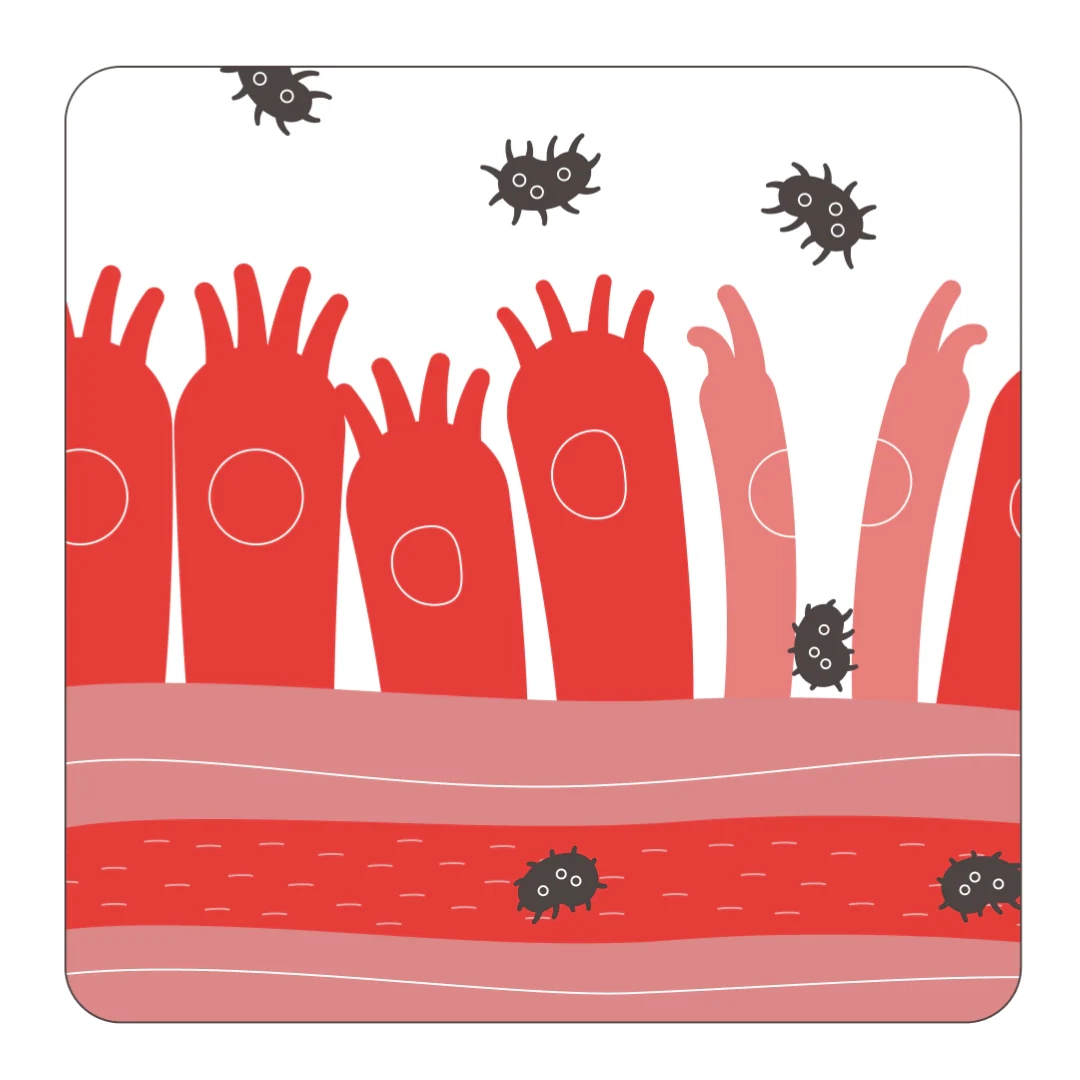
01
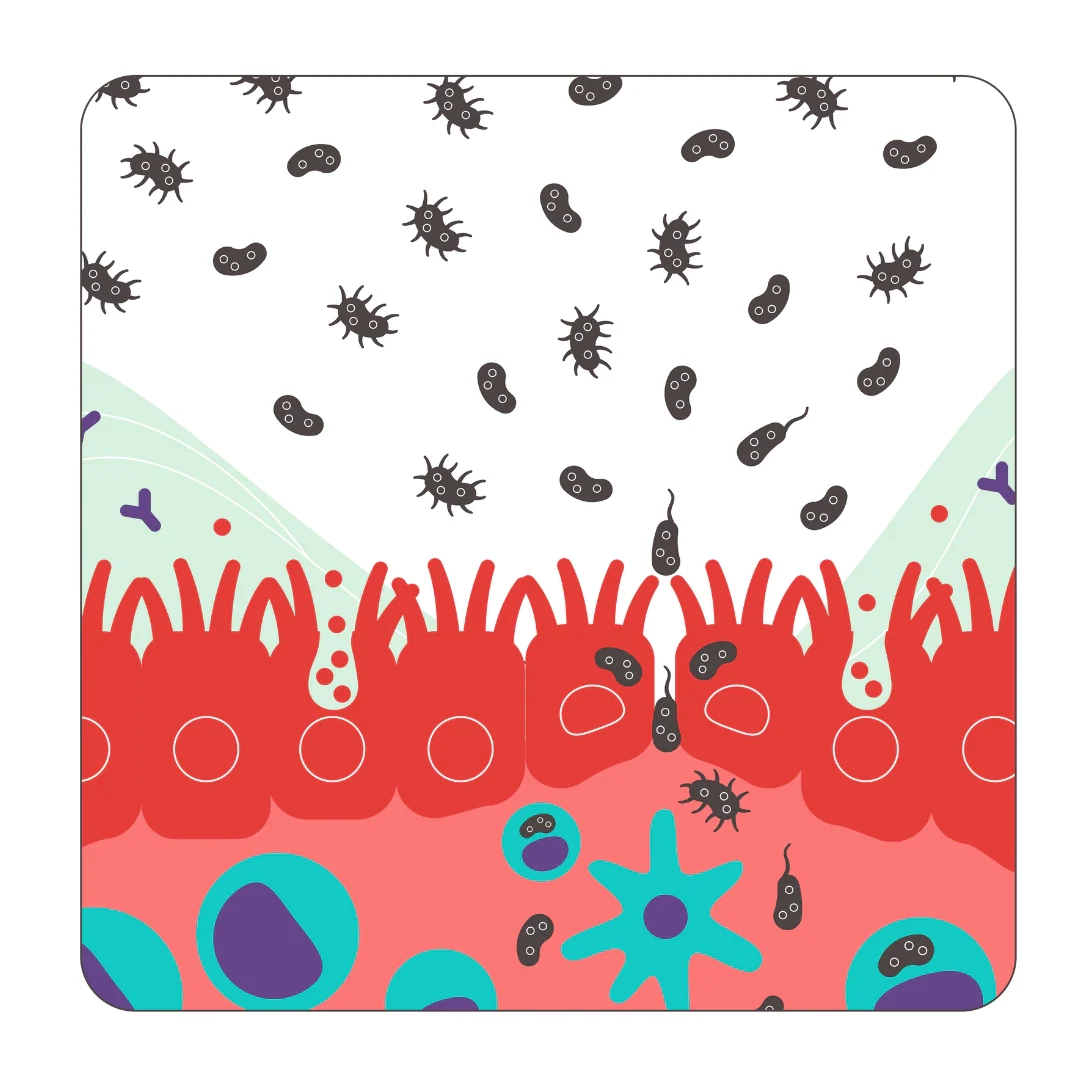
The gut breaks down
Diet, stress, and certain medications can affect the integrity of the gut lining. When the gut lining is compromised, bacteria, toxins and undigested particles leak into the bloodstream. The immune system detects the invasion and triggers a full inflammatory response.
02
The immune system goes into overdrive
The inflammatory response never switches off. T-cells misfire. The immune system begins attacking the body's own tissue. Chronic systemic inflammation sets in.
03
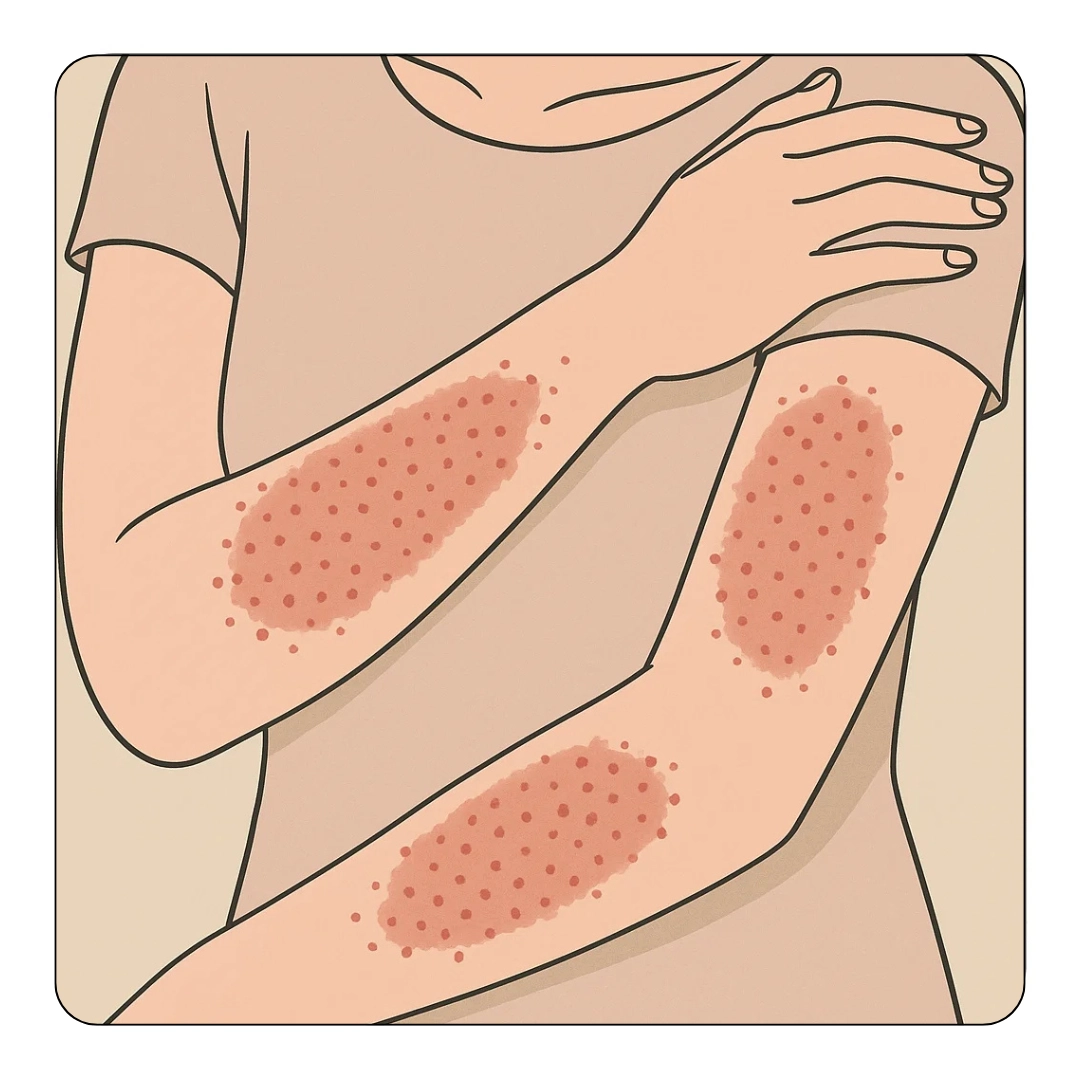
The skin becomes the battlefield
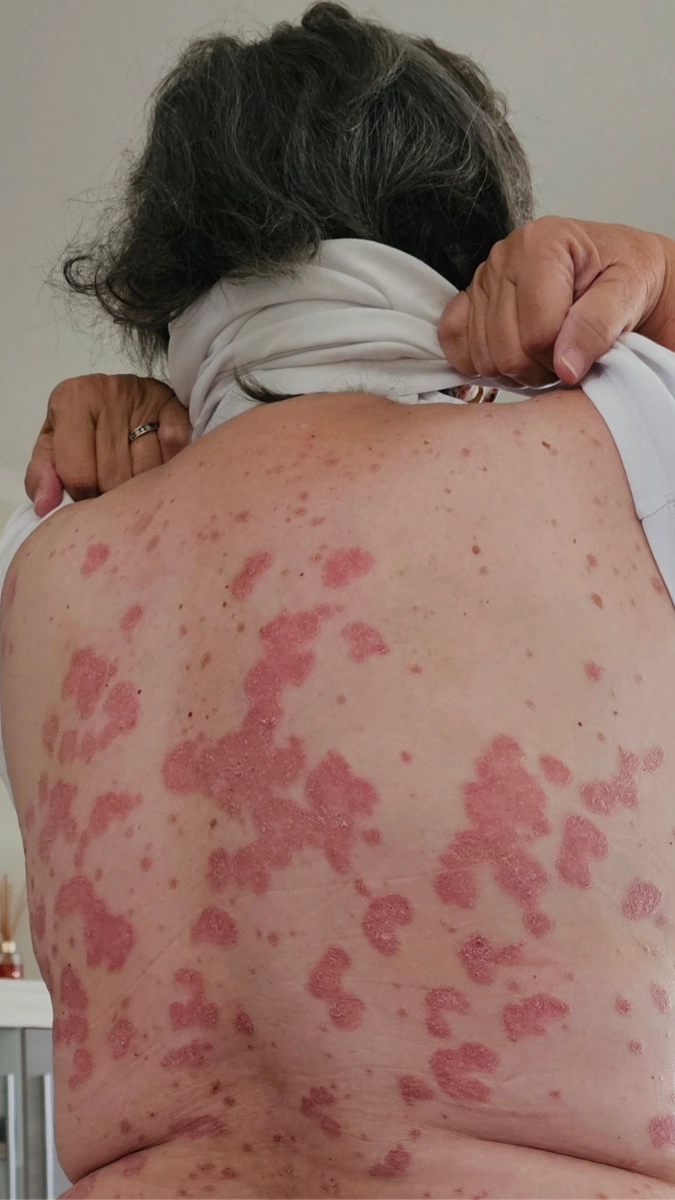
Skin cells are produced up to 10x faster than normal. The immune attack becomes visible. Plaques form. Flares cycle. The skin is not the cause — it's the casualty.
01
The gut breaks down
Diet, stress, and certain medications can affect the integrity of the gut lining. When the gut lining is compromised, bacteria, toxins and undigested particles leak into the bloodstream. The immune system detects the invasion and triggers a full inflammatory response.
02
The immune system goes into overdrive
The inflammatory response never switches off. T-cells misfire. The immune system begins attacking the body's own tissue. Chronic systemic inflammation sets in.
03
The skin becomes the battlefield
Skin cells are produced up to 10x faster than normal. The immune attack becomes visible. Plaques form. Flares cycle. The skin is not the cause — it's the casualty.
How Skin + Gut™ interrupts each step
Gut Wall Repair
Polarprezinc® Carnosine
Japanese biotechnology to support gut wall repair
Immune System Support
Key Probiotics
Healthy gut function + immune system support
Anti-Inflammatory
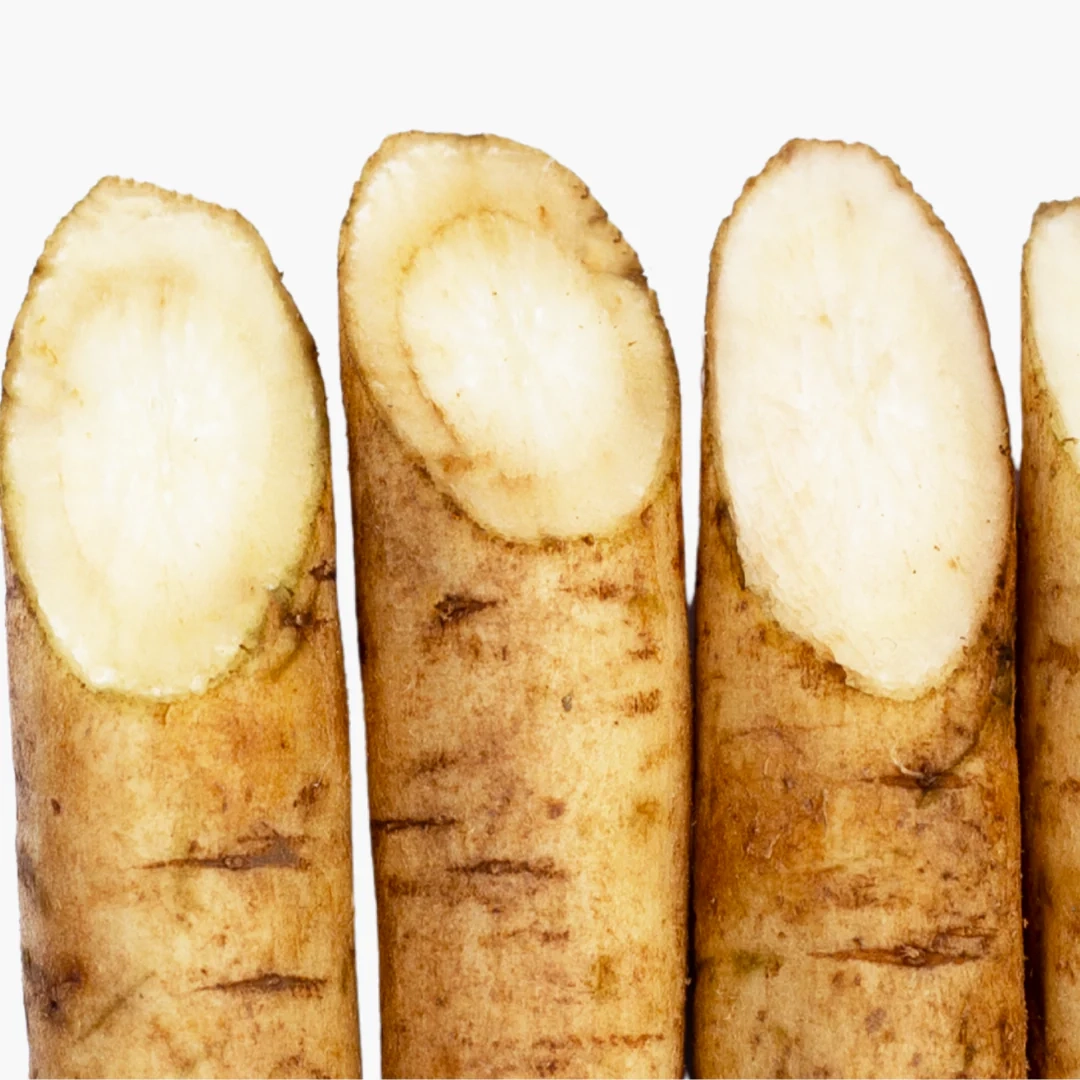
Burdock Root
Used in Western Herbal Medicine to help cleanse the blood
Skin Structure + Health
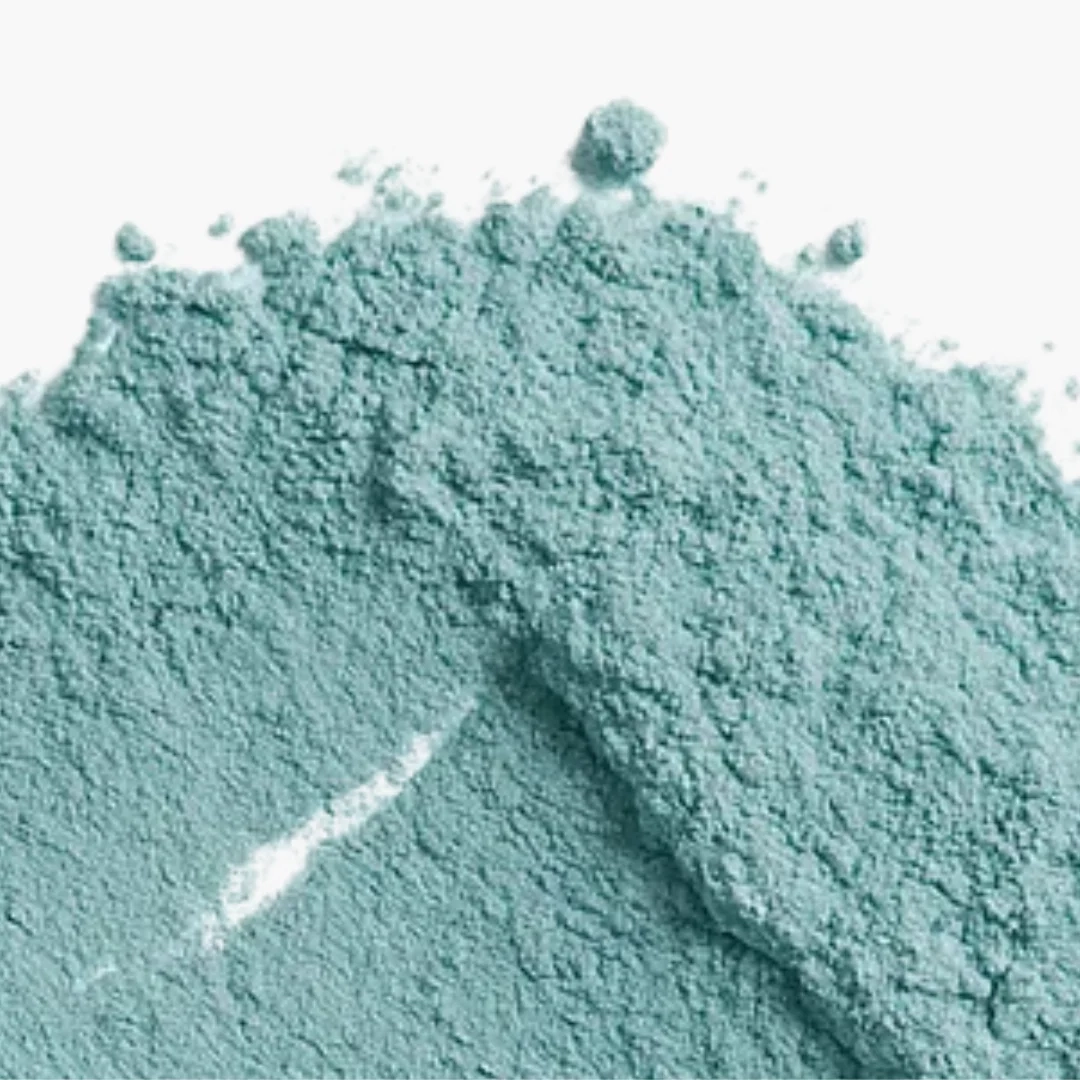
Copper
To help the synthesis and stabilisation of skin proteins
Immune System Function
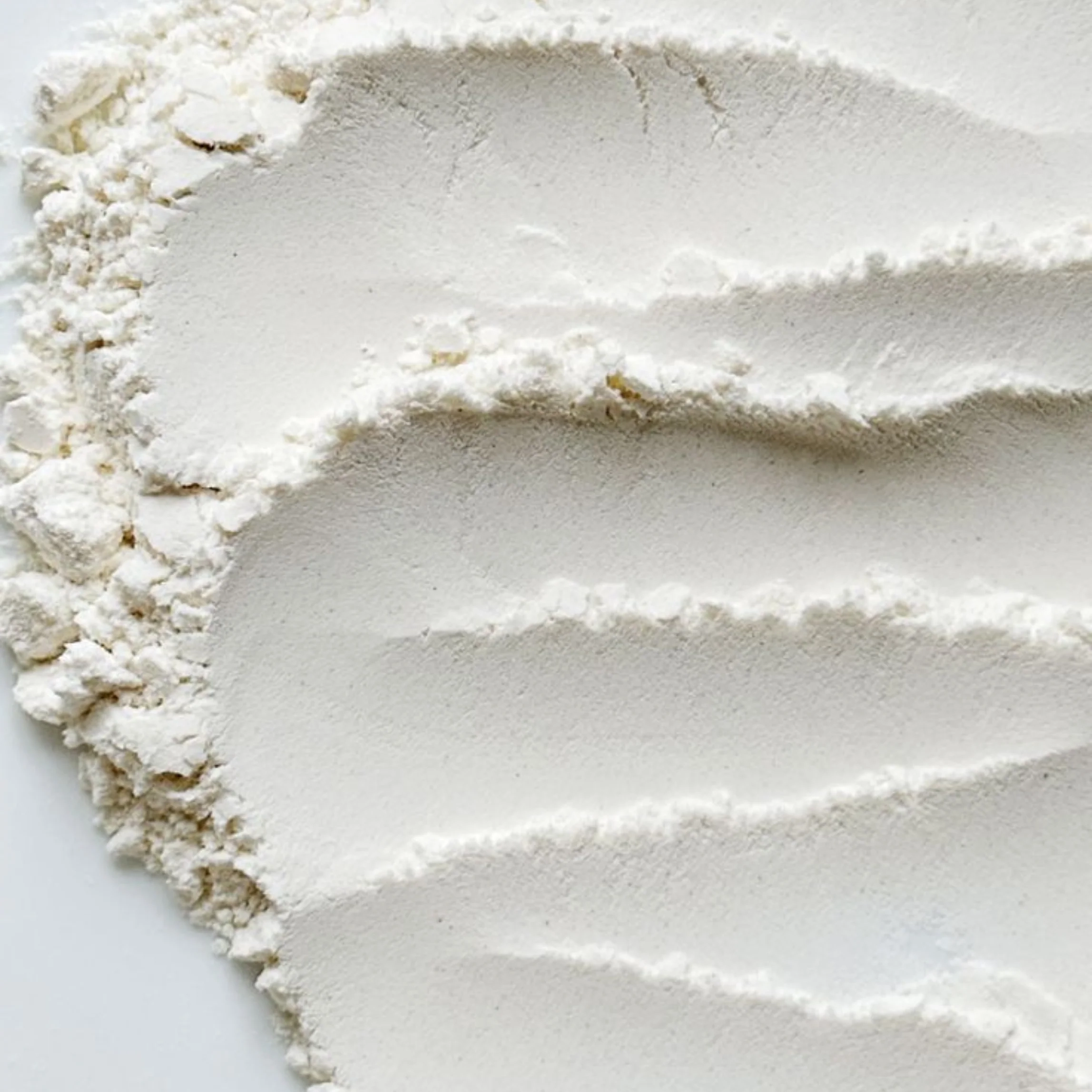
Vitamin D3
To support healthy immune system function


Skin + Gut™
$62.99
Why 90 days matters
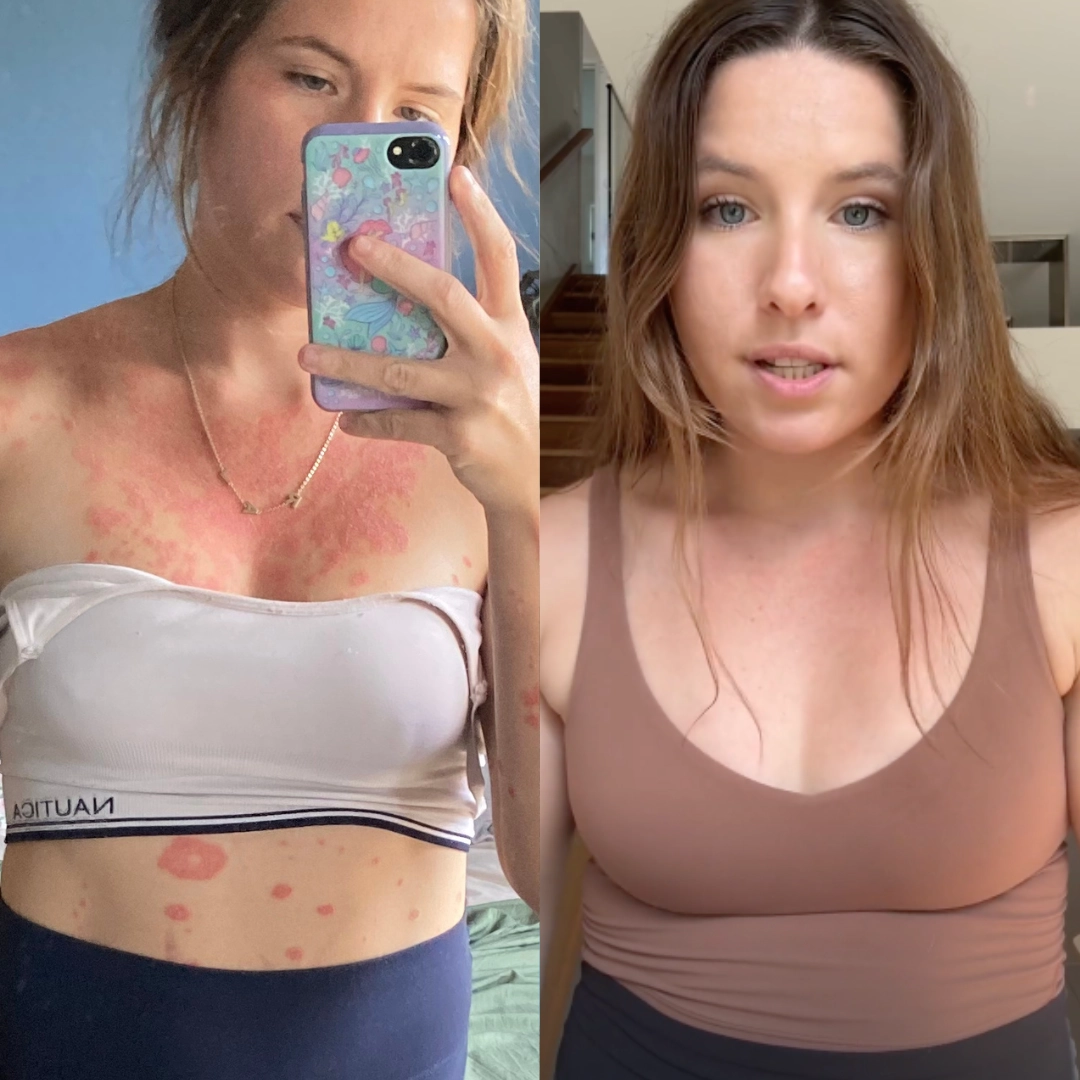
Your journey to clear, balanced skin takes time. We're about lasting changes, not quick fixes.
01
Skin takes 20-35 days to renew
True visible changes often won't appear until you've completed at least one full renewal cycle.
02
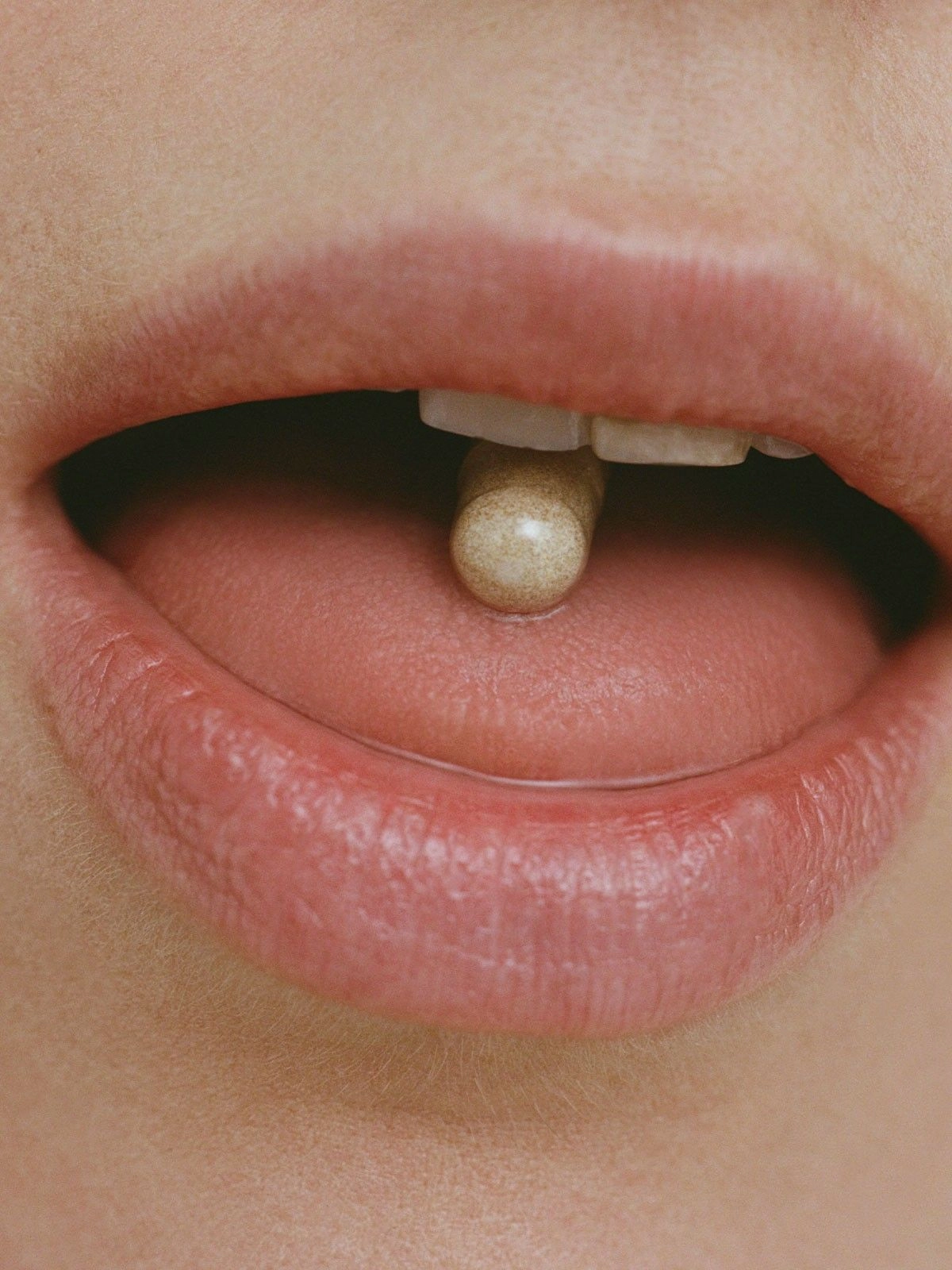
Internal balance takes time
Our formula works from within, which requires consistent support for your body to rebalance.
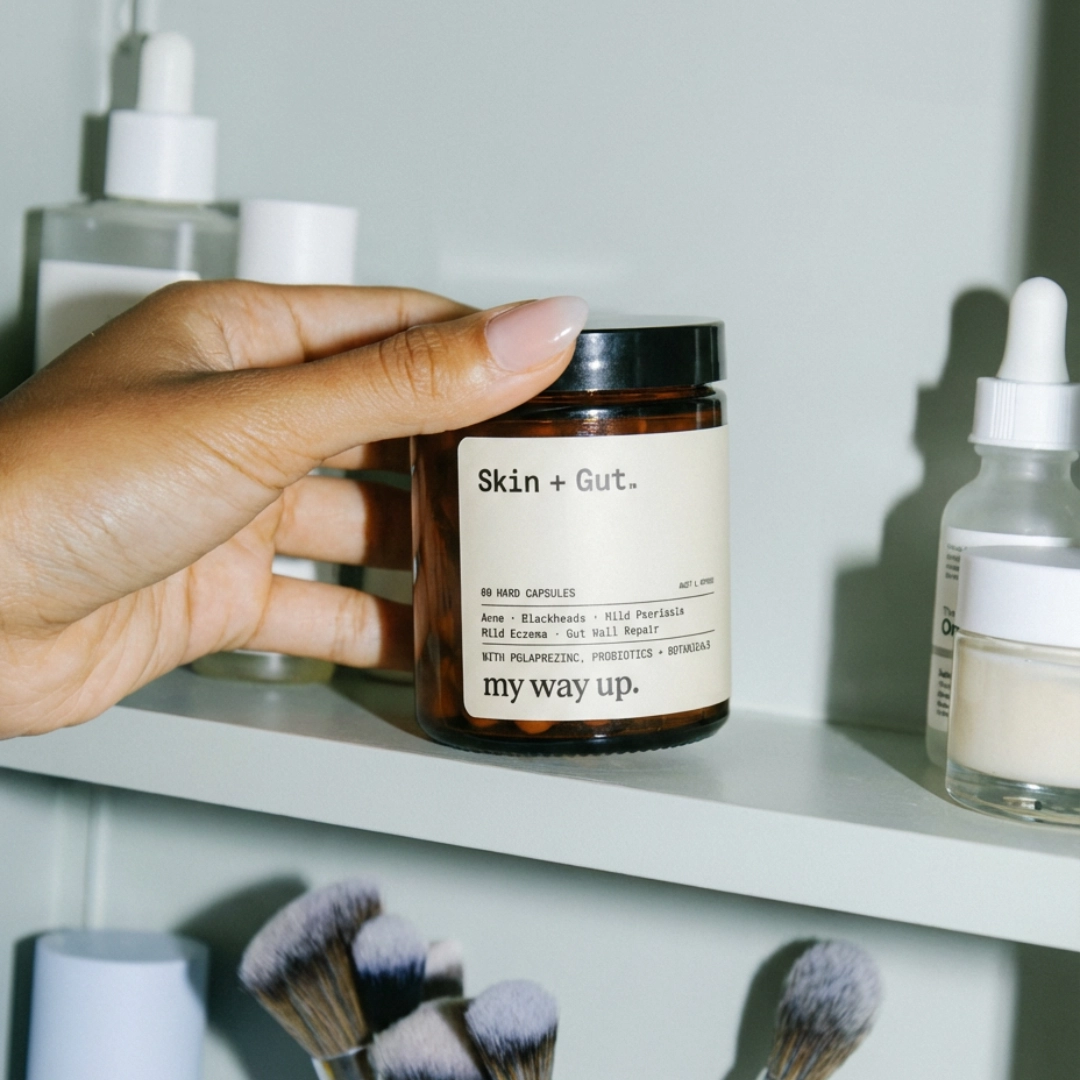
03
This isn't a cream, it's a system
Skin + Gut™ builds healthier skin from the inside out, a process that unfolds over time with consistent use.
01
Skin takes 20-35 days to renew
True visible changes often won't appear until you've completed at least one full renewal cycle.
02
Internal balance takes time
Our formula works from within, which requires consistent support for your body to rebalance.
03
This isn't a cream, it's a system
Skin + Gut™ builds healthier skin from the inside out, a process that unfolds over time with consistent use.
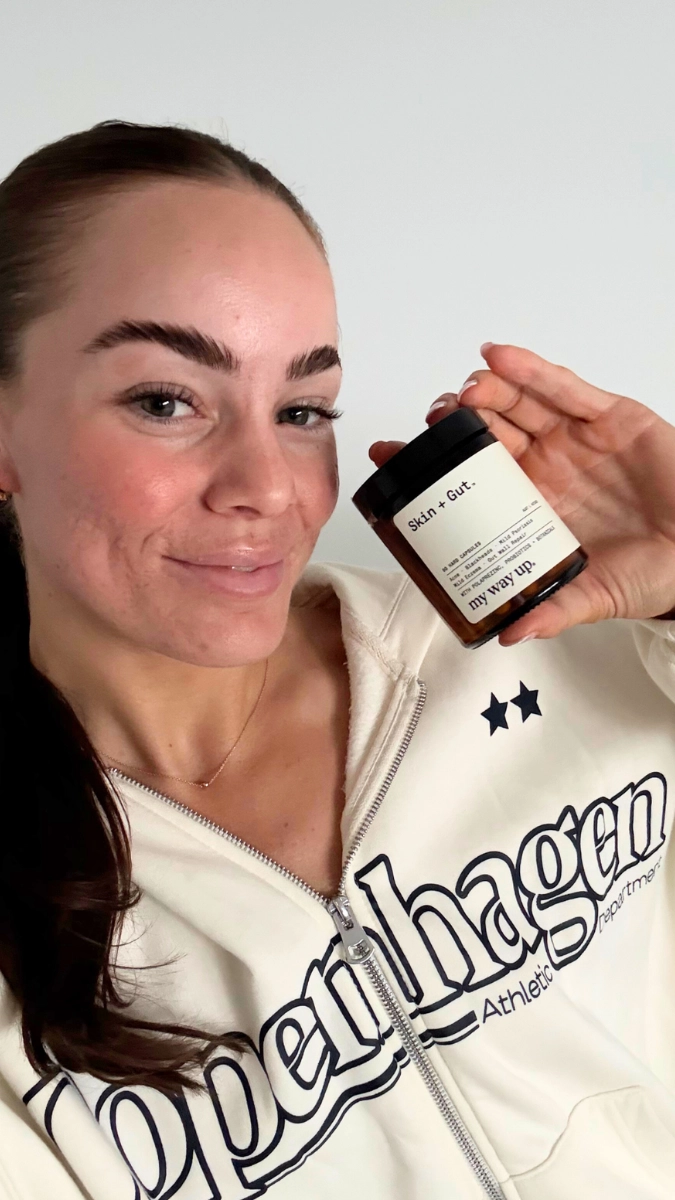

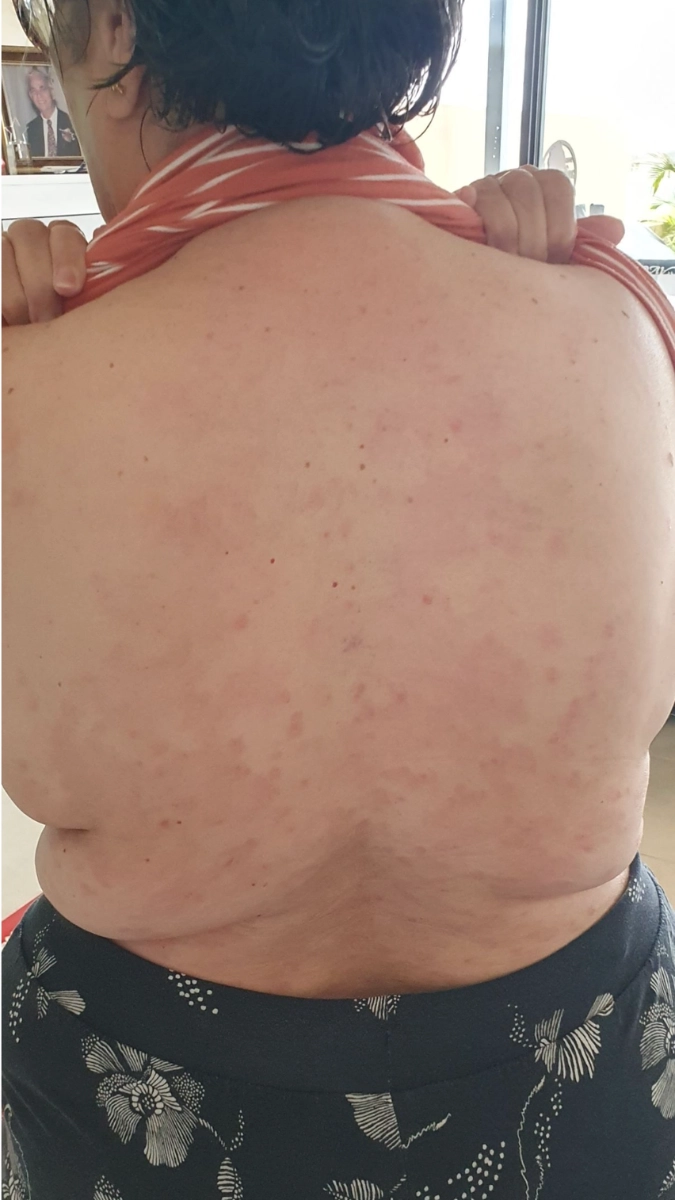
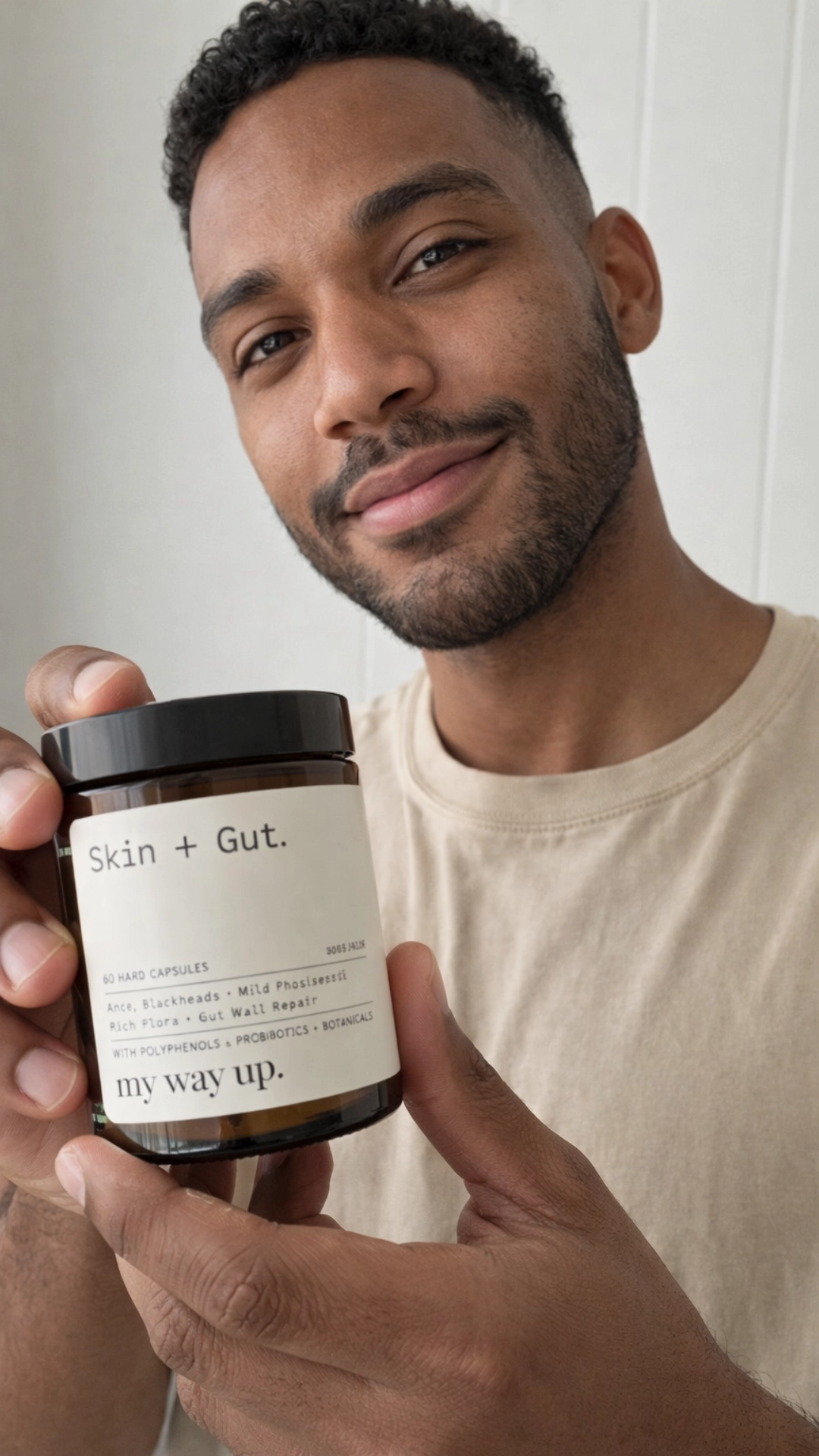
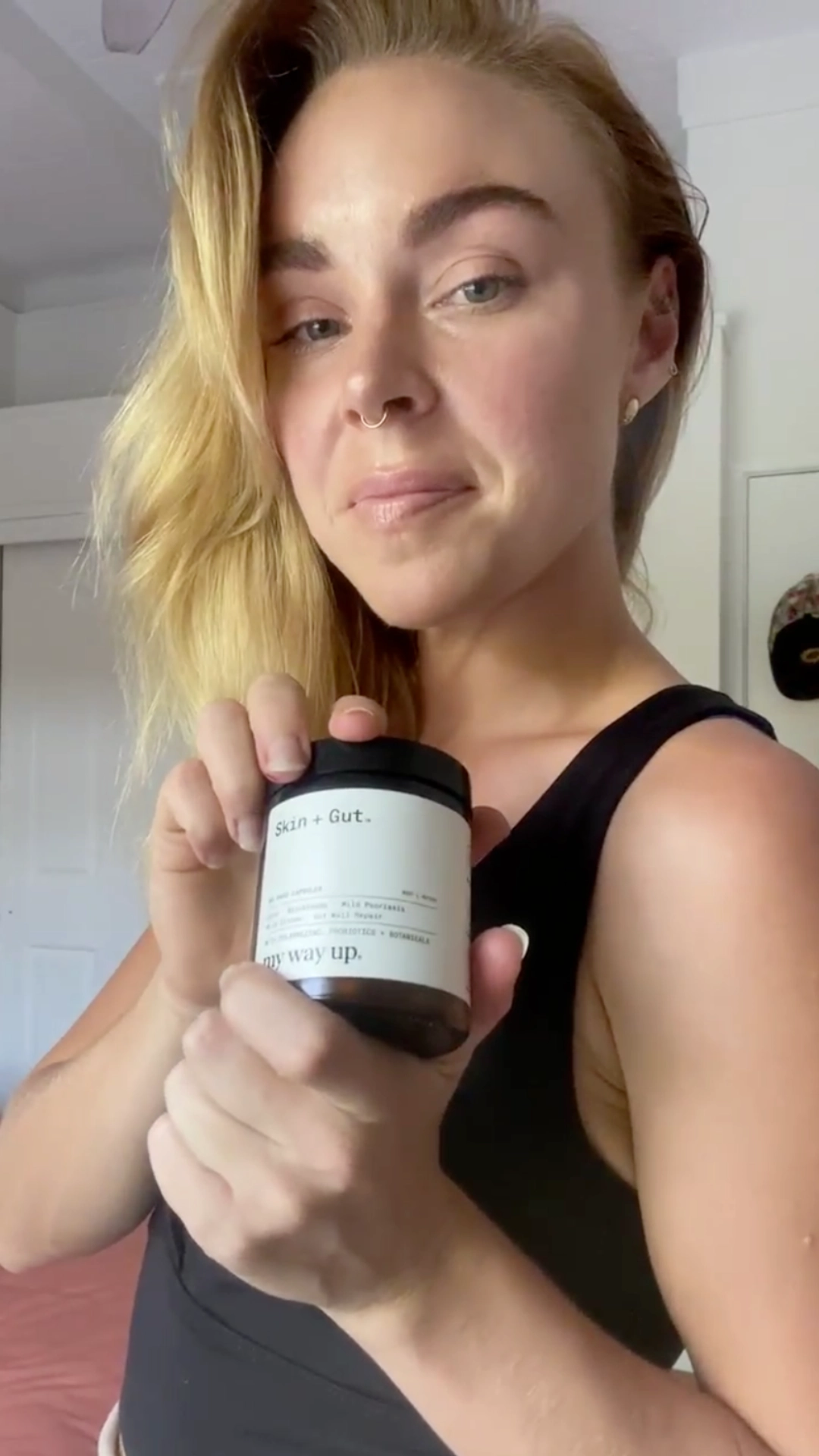
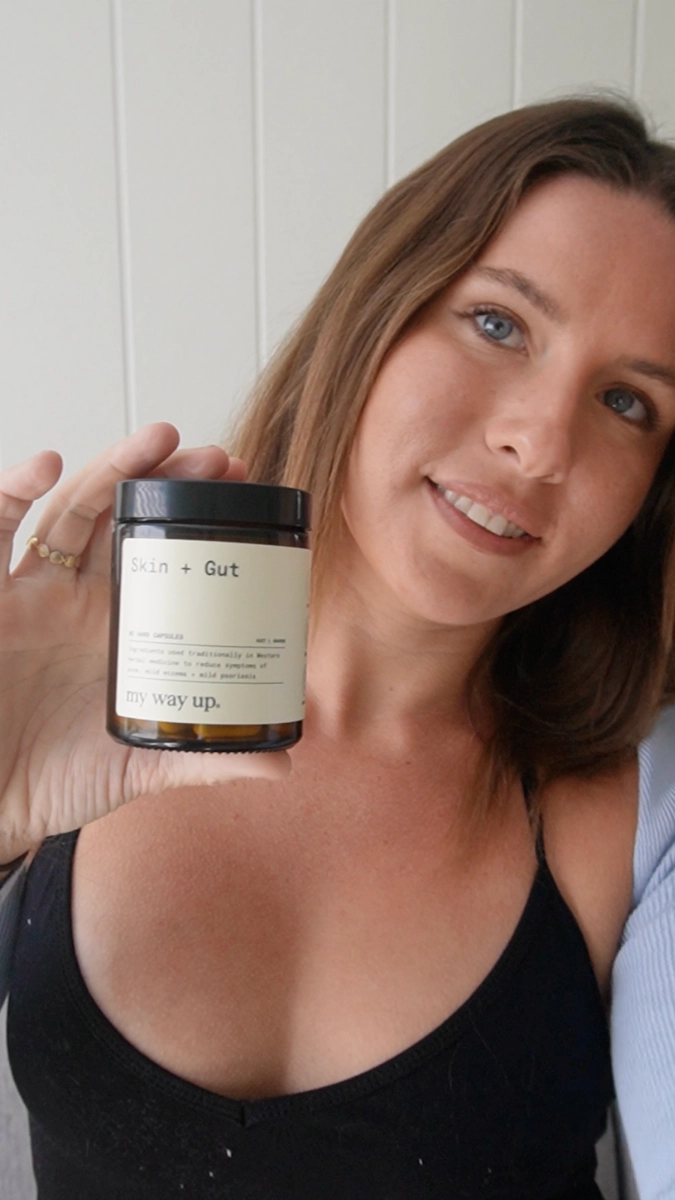
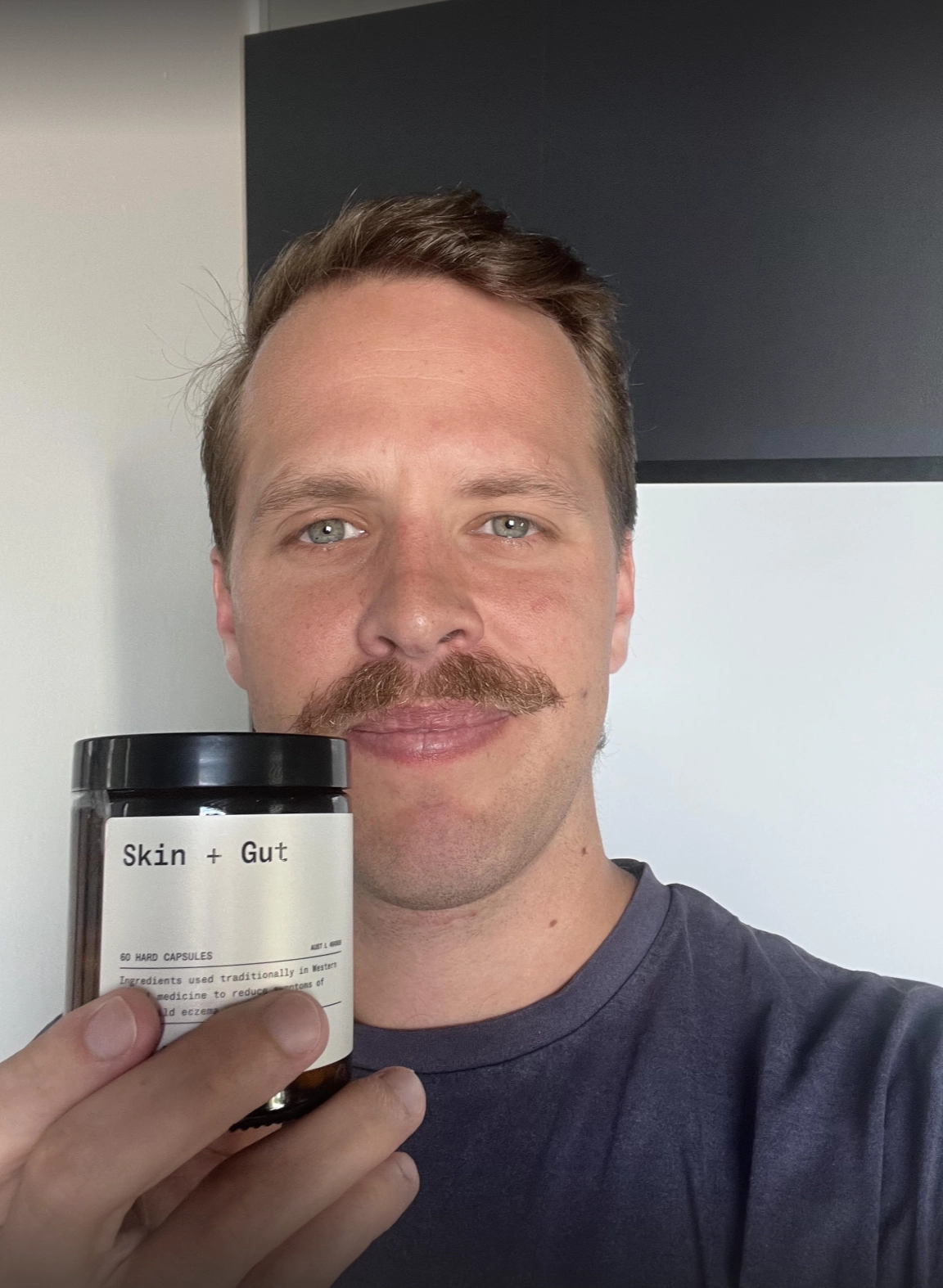
Start Your Psoriasis Reset. Backed by science
Clearer skin and less itching, naturally
92%
Reduced Flaking
noticed smoother skin and significantly fewer flakes fast
88%
Deep Relief
reported relief from redness and painful itching in the first 4 weeks
Based on internal customer surveys
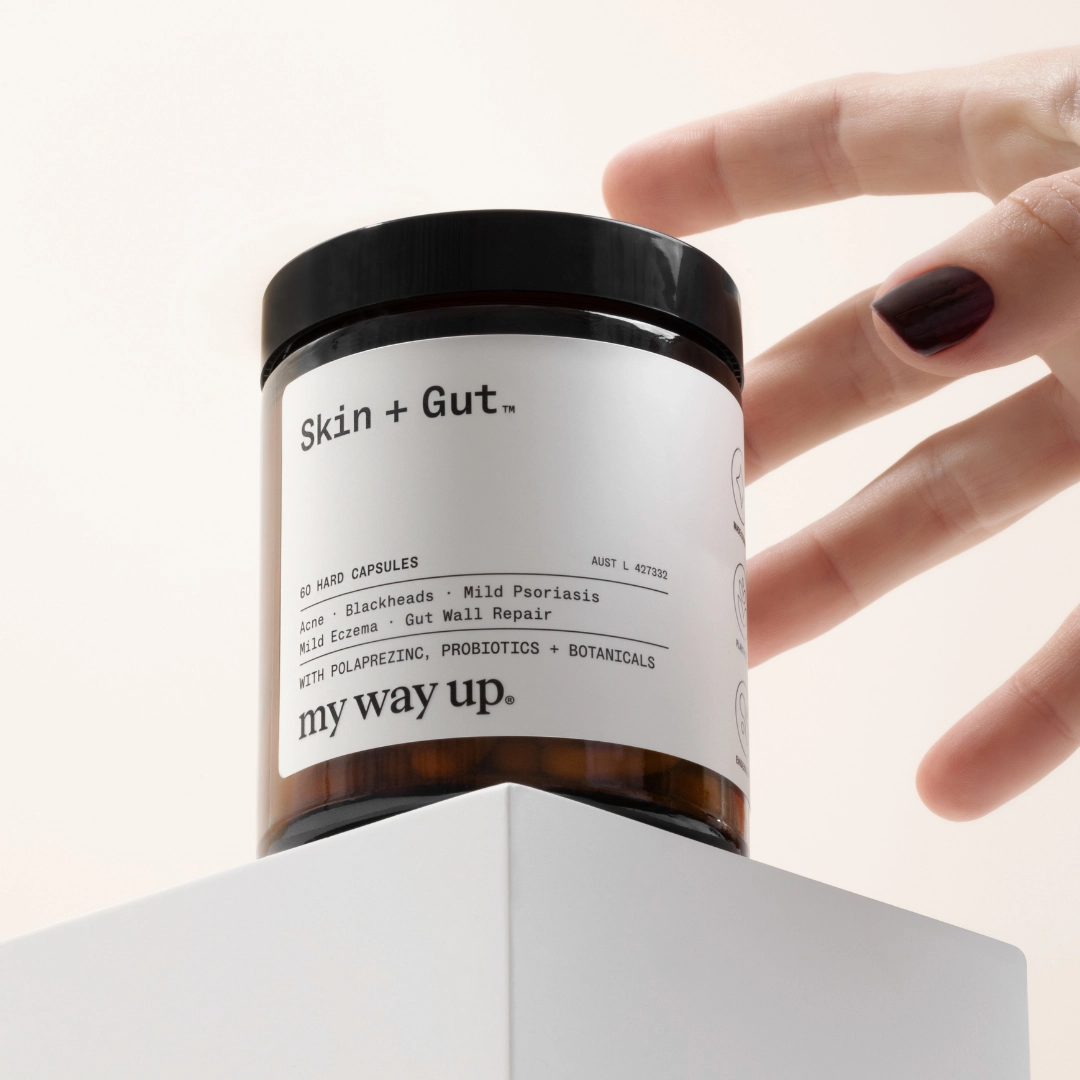
Gut questions?
How long does it take to see results?
Supporting healthy skin and digestive function is a gradual process, and individual responses can vary.
We recommend using Skin + Gut™ consistently for 90 days to allow the ingredients time to provide their intended supportive benefits.
You may continue to use Skin + Gut™ beyond this period if desired, as advised by your healthcare practitioner.
We recommend using Skin + Gut™ consistently for 90 days to allow the ingredients time to provide their intended supportive benefits.
You may continue to use Skin + Gut™ beyond this period if desired, as advised by your healthcare practitioner.
Who can benefit from Skin+Gut™ ?
Skin + Gut™ is suitable for adults looking to support healthy skin and digestive function.
It contains ingredients traditionally used in Western herbal medicine to help relieve the symptoms of dermatitis, mild eczema and mild psoriasis, while supporting gastrointestinal health.
Consistent daily use is recommended to allow the ingredients time to provide their intended supportive benefits.
It contains ingredients traditionally used in Western herbal medicine to help relieve the symptoms of dermatitis, mild eczema and mild psoriasis, while supporting gastrointestinal health.
Consistent daily use is recommended to allow the ingredients time to provide their intended supportive benefits.
Can kids take Skin + Gut™ ?
Skin + Gut™ is intended for adults and adolescents aged 15 years and over.
For parents with individuals under 15 years of age, please consult a qualified healthcare professional or reach out to our clinical team using the email hello@mywayup.com for personalised advice.
For parents with individuals under 15 years of age, please consult a qualified healthcare professional or reach out to our clinical team using the email hello@mywayup.com for personalised advice.
How long should I take Skin + Gut™ for?
We recommend taking Skin + Gut™ consistently for at least 90 days to allow the ingredients time to provide their intended supportive benefits.
You may continue using Skin + Gut™ beyond this period if desired or as advised by your healthcare practitioner.
You may continue using Skin + Gut™ beyond this period if desired or as advised by your healthcare practitioner.
Why do I need to take it with food?
Skin + Gut™ should be taken with food to support comfortable digestion and optimal absorption of the ingredients.
Can I take Skin + Gut™ if I'm pregnant or breastfeeding?
Skin + Gut™ has not been specifically evaluated for use during pregnancy or breastfeeding. Please speak with your healthcare professional before using this product if you are pregnant.
Scientific References
*Scientific References | 1
[1] Topical Steroid Withdrawal Nguyen, J.K. et al. (2025). Breaking the cycle: a comprehensive exploration of topical steroid addiction and withdrawal. Frontiers in Allergy, 6, 1547923. DOI: 10.3389/falgy.2025.1547923
[2] Psoriasis as a T-cell mediated autoimmune disease Zhang, P. et al. (2023). The roles of T cells in psoriasis. Frontiers in Immunology, 14, 1081256. DOI: 10.3389/fimmu.2023.1081256
[3] Leaky gut and psoriasis — Uppsala University Lundquist, P. et al. (2025). Mild-to-moderate psoriasis is associated with subclinical inflammation in the duodenum and a tendency of disturbed intestinal barrier. Biochimica et Biophysica Acta (BBA) — Molecular Basis of Disease, 1871(3), 167634. DOI: 10.1016/j.bbadis.2024.167634
[4] Vitamin D deficiency in psoriasis — meta-analysis of 23 studies Formisano, E. et al. (2023). Psoriasis and Vitamin D: A Systematic Review and Meta-Analysis. Nutrients, 15(15), 3387. DOI: 10.3390/nu15153387 PMID: 37571324
[5] Zinc deficiency in psoriasis — meta-analysis of 15 studies / 1,324 patients Lin, X. et al. (2019). Abnormal Serum Copper and Zinc Levels in Patients with Psoriasis: A Meta-Analysis. Biological Trace Element Research, 191(2), 293–302. DOI: 10.1007/s12011-019-01709-3 PMID: 31148862
[6] Omega-3 supplementation and PASI reduction — meta-analysis of 10 RCTs Clark, C.C.T. et al. (2019). Efficacy of ω-3 supplementation in patients with psoriasis: a meta-analysis of randomized controlled trials. Clinical Rheumatology, 38(4), 977–988. DOI: 10.1007/s10067-019-04458-7 PMID: 30778861
[2] Psoriasis as a T-cell mediated autoimmune disease Zhang, P. et al. (2023). The roles of T cells in psoriasis. Frontiers in Immunology, 14, 1081256. DOI: 10.3389/fimmu.2023.1081256
[3] Leaky gut and psoriasis — Uppsala University Lundquist, P. et al. (2025). Mild-to-moderate psoriasis is associated with subclinical inflammation in the duodenum and a tendency of disturbed intestinal barrier. Biochimica et Biophysica Acta (BBA) — Molecular Basis of Disease, 1871(3), 167634. DOI: 10.1016/j.bbadis.2024.167634
[4] Vitamin D deficiency in psoriasis — meta-analysis of 23 studies Formisano, E. et al. (2023). Psoriasis and Vitamin D: A Systematic Review and Meta-Analysis. Nutrients, 15(15), 3387. DOI: 10.3390/nu15153387 PMID: 37571324
[5] Zinc deficiency in psoriasis — meta-analysis of 15 studies / 1,324 patients Lin, X. et al. (2019). Abnormal Serum Copper and Zinc Levels in Patients with Psoriasis: A Meta-Analysis. Biological Trace Element Research, 191(2), 293–302. DOI: 10.1007/s12011-019-01709-3 PMID: 31148862
[6] Omega-3 supplementation and PASI reduction — meta-analysis of 10 RCTs Clark, C.C.T. et al. (2019). Efficacy of ω-3 supplementation in patients with psoriasis: a meta-analysis of randomized controlled trials. Clinical Rheumatology, 38(4), 977–988. DOI: 10.1007/s10067-019-04458-7 PMID: 30778861
*Scientific References | 2
[7] Intestinal barrier dysfunction and bacterial translocation in psoriasis Zhao, Q. et al. (2025). Psoriasis and gut microbes: research advances from mechanism to therapy. Frontiers in Microbiology, 16, 1711288. DOI: 10.3389/fmicb.2025.1711288
[8] T-cell immune dysregulation and pathogenic triad in psoriasis Sieminska, I., Pieniawska, M. & Grzywa, T.M. (2024). The immunology of psoriasis — current concepts in pathogenesis. Clinical Reviews in Allergy & Immunology, 66(2), 164–191. DOI: 10.1007/s12016-024-08991-7 PMID: 38642273
[9] Psoriasis as a chronic immune-mediated inflammatory disease Buhaș, M.C. et al. (2024). A contemporary, multifaced insight into psoriasis pathogenesis. Journal of Personalized Medicine, 14(5), 535. DOI: 10.3390/jpm14050535
[10] Gut microbiota dysbiosis as a driver of psoriasis Zhao, M. et al. (2024). Gut microbiota and psoriasis: pathogenesis, targeted therapy, and future directions. Frontiers in Cellular and Infection Microbiology, 14, 1430586. DOI: 10.3389/fcimb.2024.1430586 PMID: PMC11335719
[8] T-cell immune dysregulation and pathogenic triad in psoriasis Sieminska, I., Pieniawska, M. & Grzywa, T.M. (2024). The immunology of psoriasis — current concepts in pathogenesis. Clinical Reviews in Allergy & Immunology, 66(2), 164–191. DOI: 10.1007/s12016-024-08991-7 PMID: 38642273
[9] Psoriasis as a chronic immune-mediated inflammatory disease Buhaș, M.C. et al. (2024). A contemporary, multifaced insight into psoriasis pathogenesis. Journal of Personalized Medicine, 14(5), 535. DOI: 10.3390/jpm14050535
[10] Gut microbiota dysbiosis as a driver of psoriasis Zhao, M. et al. (2024). Gut microbiota and psoriasis: pathogenesis, targeted therapy, and future directions. Frontiers in Cellular and Infection Microbiology, 14, 1430586. DOI: 10.3389/fcimb.2024.1430586 PMID: PMC11335719


