This article is for informational purposes only and does not constitute medical advice. The information contained herein is not a substitute for and should never be relied upon for professional medical advice. Always talk to your doctor about the risks and benefits of any treatment. Learn more about our editorial standards here.
Gut Health

The Smart Shopper's Guide to Pesticides

1. Organic or conventional?
You want to eat more fruits and vegetables. You know they're good for you. But standing in the produce aisle, you're hit with questions: Organic or conventional? Is it worth the extra money? What about pesticides?
Here's what matters: pesticides don't just stay on the surface. Research shows they can disrupt your gut microbiome—the ecosystem of bacteria that controls your digestion, immunity, mood, and even your skin.
Fortunately, not all produce carries the same pesticide load. Each year, the Environmental Working Group (EWG) releases a shopper's guide, ranking produce for pesticide residue.

2. The Dirty Dozen: Go Organic
These 12 items have the highest pesticide residues. Prioritize organic here, or wash thoroughly:
- Strawberries
- Spinach
- Kale & Greens
- Grapes
- Peaches
- Pears
- Nectarines
- Apples
- Peppers
- Cherries
- Blueberries
- Green Beans

3. The Clean Fifteen: Save Your Money
These 15 items have minimal pesticide residues. Buy conventional without worry:
- Avocados
- Sweet Corn
- Pineapple
- Onions
- Papaya
- Sweet Peas
- Asparagus
- Honeydew
- Kiwi
- Cabbage
- Mushrooms
- Mangoes
- Sweet Potatoes
- Watermelon
- Carrots
4. Why Your Gut Needs Plants (Pesticide-Free or Not)
Your gut bacteria thrive on two things:
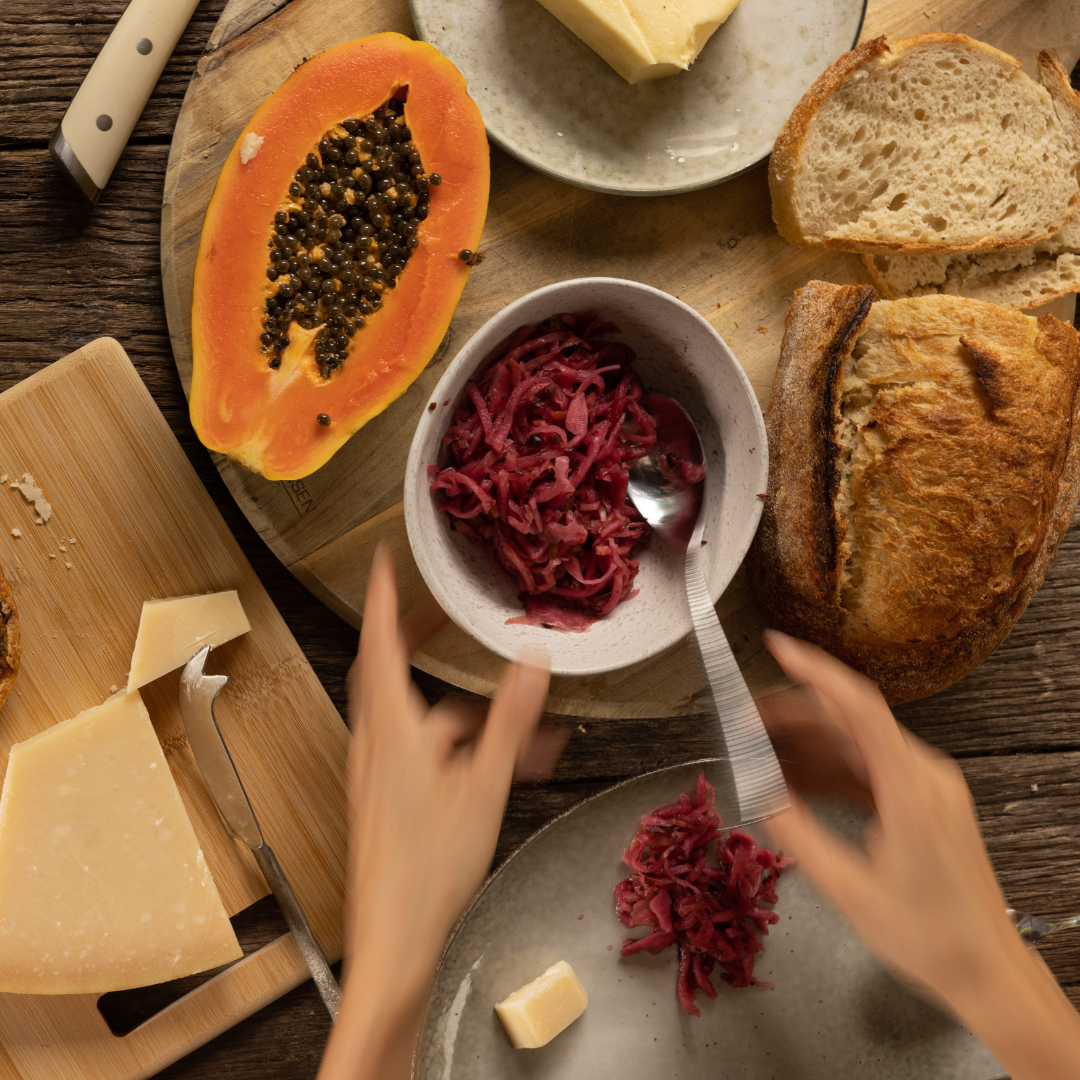
Polyphenols — Antioxidant compounds that fuel beneficial bacteria and fight inflammation. They're the pigments that make plants colorful.
Prebiotics — These are specific types of dietary fiber that your body can't digest. Instead, they travel to your lower digestive tract, where they become a primary food source for your healthy gut microbes.
The problem? Getting enough variety—especially organic—is expensive and exhausting.
5. The Simple Solution
Let's be realistic—tracking your polyphenol intake or buying a huge variety of organic produce every week can be challenging and expensive.
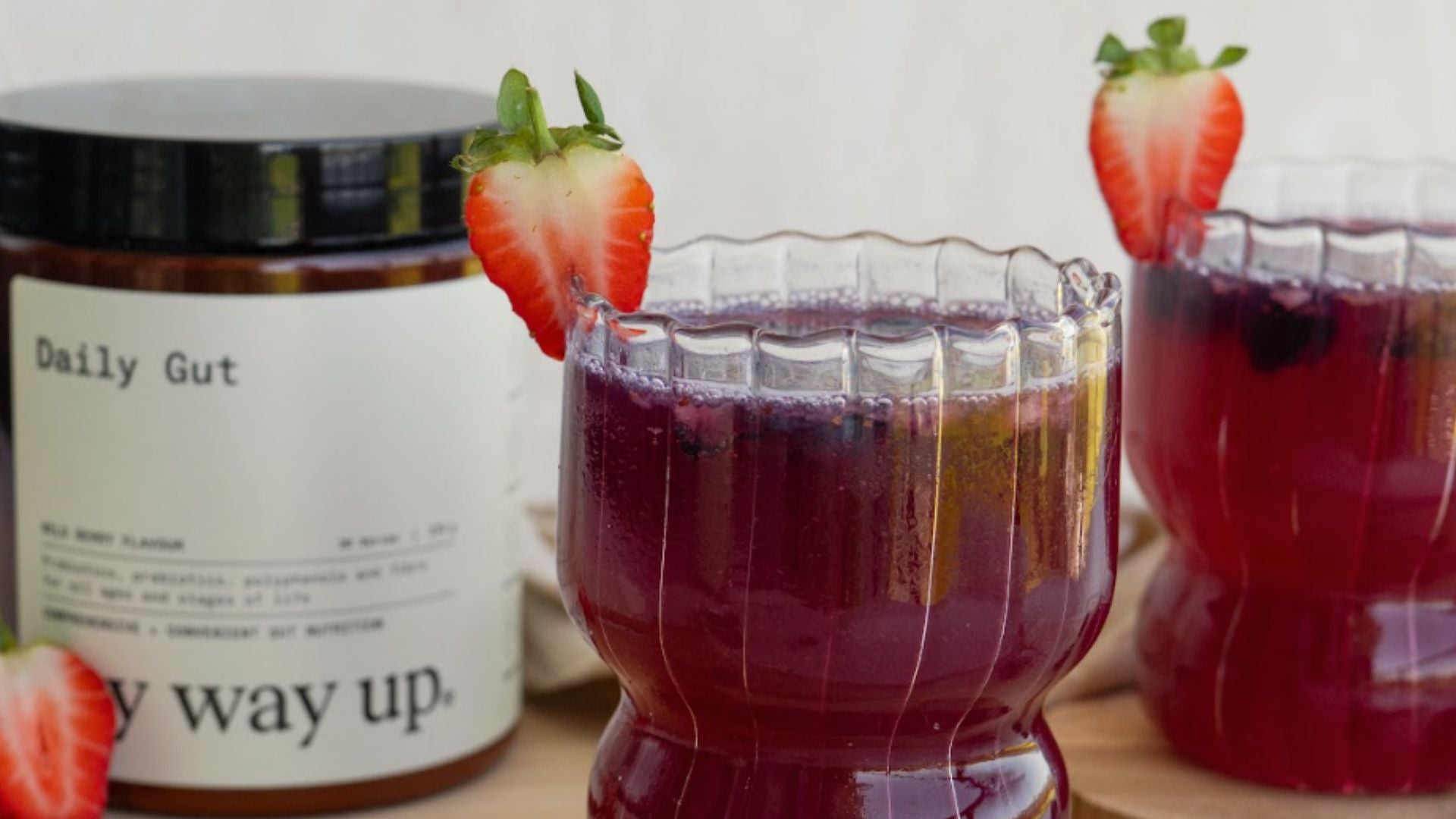
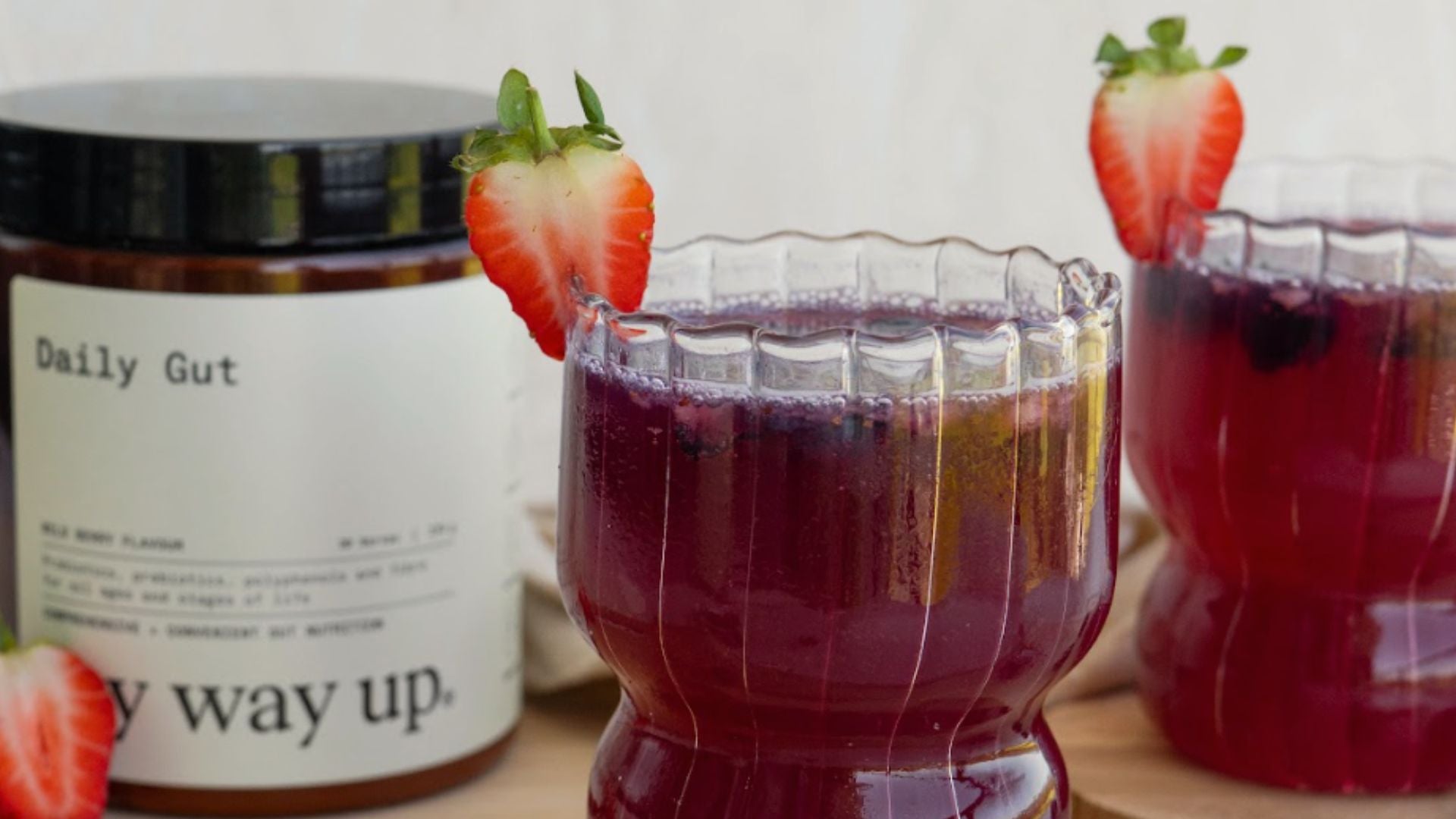
For a simple, one-scoop solution, there's Daily Gut Nutrition.
We designed Daily Gut to be the effortless way to ensure your gut gets the essential polyphenols and prebiotics it craves. It’s a convenient and cost-effective strategy to nourish your microbiome, support digestive balance, and help you feel your best from the inside out, no matter what your grocery haul looks like.